Curriculum & Specialist programs

At Aldinga Beach, we offer a comprehensive curriculum designed to engage and inspire every student. We follow the Australian Curriculum which can be found out https://www.australiancurriculum.edu.au/
Our curriculum is tailored to meet the diverse needs of our students, providing a well-rounded education that fosters a love of learning and prepares them for lifelong success. Explore the richness of our programs and discover how we inspire the leaders of tomorrow.
Our curriculum areas include:
English:
We foster reading, writing, and communication skills through a range of texts and activities. Our English curriculum focuses on a synthetic phonics approach, beginning in Reception and building cumulatively through Year 6. Students engage with a variety of literary materials, both in print and through technology, to enhance their learning outcomes.
Reading
The ‘Big Six’ includes:
- Phonological awareness – building awareness of the sounds of language, including rhythm, rhymes and syllables.
- Phonics – knowing the relationship between letters and sounds
- Vocabulary – knowing and using an expanding range of words
- Fluency – reading with accuracy, expression and appropriate pace
- Comprehension – using specific strategies to understand a text.
- Oral Language – speaking and listening to build a foundation for reading.
DIBELS (Dynamic Indicators of Early Language Skills) set targets to help us identify students who are at risk in reading, allowing specific targets that teachers can use to deliver targeted, specific instructional support that is individualised for students needs.
These assessments are valid, reliable and standardised, they are quick to administer and give immediate results, allowing the teacher to target student learning in a timely manner.
Spelling & Writing
Synthetic phonics is the systematic and explicit teaching of the alphabetic code. It sets the framework for early reading and spelling skills necessary for early reading instruction.
Our students in Years 4-6 then move onto more complex spelling in order to transfer these skills and use the basic code to ensure our students become masters of spelling. This learning allows students to progress at their own pace, while learning the rules of spelling and spelling patterns in more complex words.
Writing is taught with a focus on genre, and writing with a purpose in mind. Students are explicitly taught a variety of specific skills and language features that allow them to effectively write within different genre types. Teachers use rubrics to assess each aspect of the writing product and process.
Phonological Awareness
The Heggerty Phonemic Awareness Curriculum, is also used in early years to teach daily, explicit and systematic phonological and phonemic awareness lessons.
Mathematics:
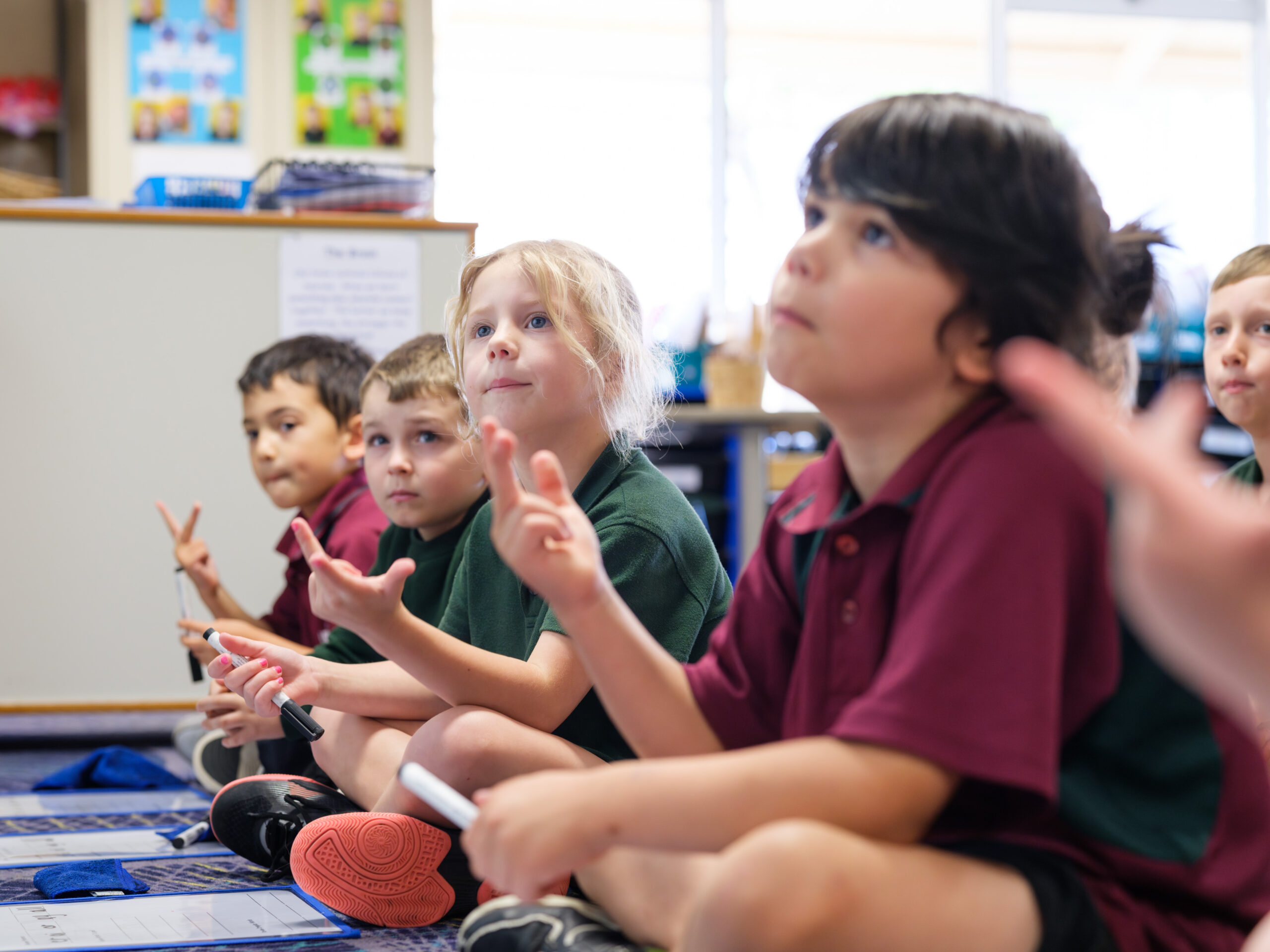
We build a strong foundation in mathematical concepts through the Big Ideas in Number framework, we explicitly teach concepts involving specific problem-solving skills and strategies, and critical thinking. Our developmentally appropriate games and activities serve as building blocks to support understanding and application.
Learn More
Big Ideas in Number, is a conceptual framework that supports the development of understanding in number and underpins all of our work in maths. It is used across all year levels, starting in your child’s first weeks in Reception. The Big Ideas that we focus on are Trust the Count, Place Value and Multiplicative Thinking. These ideas help students to deeply understand numbers by: having a sense of what numbers mean, understanding their relationship to one another, performing mental mathematics and understanding symbolic representations using numbers in real situations.
We aim to support students to have a good number sense which includes thinking and questioning the ways numbers are used in different contexts. It allows students to create mental objects that can be manipulated flexibly with understanding and confidence.
Science:
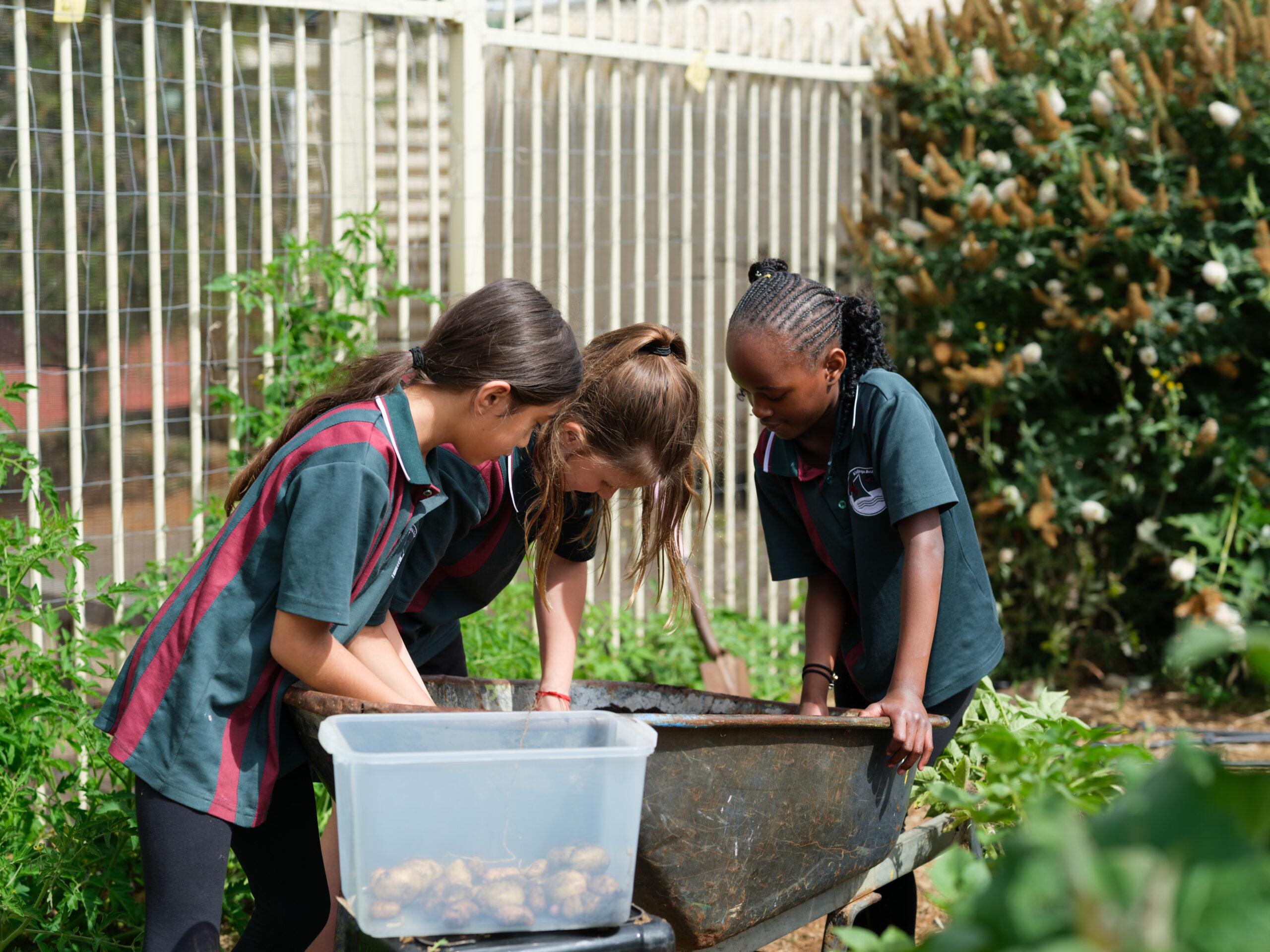
Science education comes to life through a dynamic blend of hands-on learning, explicit instruction, and real-world application. Our teachers deliver lessons grounded in the core curriculum, while intentionally linking scientific concepts to current events, local issues, and global challenges.
Learn More
This approach not only builds foundational knowledge but also nurtures curiosity, creativity, and critical thinking. Students are encouraged to ask questions, test hypotheses, and draw evidence-based conclusions—skills essential for navigating an ever-changing world. Whether conducting experiments in the classroom, investigating natural systems in the local environment, or analysing contemporary scientific developments, students are actively engaged in exploring how science impacts their lives and the world around them.
Humanities and Social Sciences (HASS):
Our HASS (Humanities and Social Sciences) program promotes informed, active citizenship by exploring key learning areas such as history, geography, civics, and economics. Through rich, inquiry-based learning experiences, students develop an understanding of how people, places, and events shape our world—both past and present.
Learn More
The program encourages critical thinking, ethical understanding, and intercultural awareness, empowering students to become thoughtful contributors to society. Learning is further enriched through excursions and incursions that connect classroom concepts to real-world settings, allowing students to explore historical sites, government institutions, and diverse communities. These hands-on experiences deepen their appreciation of the past, their relationship with the environment, and their responsibilities as members of a local and global community.

Technologies:
We integrate digital literacy and design thinking throughout our curriculum to ensure students are equipped with essential skills, preparing them for an increasingly digital and interconnected world. Technology is used not just as a tool, but as a platform for creativity, collaboration, and problem-solving.
Learn More
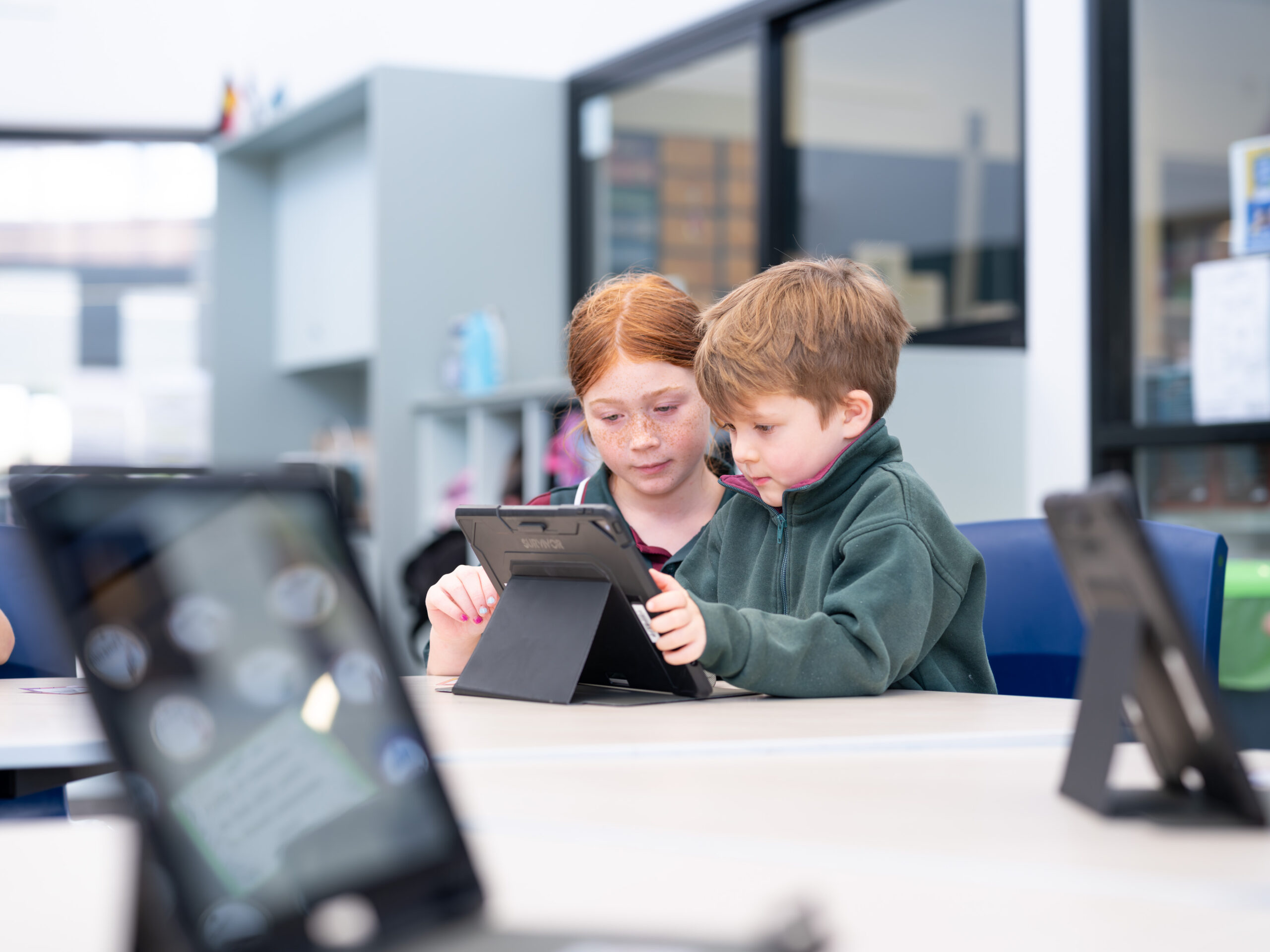
Students in Reception to Year 2 have access to 1:1 tablets, enabling them to engage with age-appropriate educational apps and digital storytelling tools that enhance early literacy and numeracy. From Years 3 to 6, students are provided with 1:1 laptops, which support a wide range of learning opportunities—from coding and multimedia projects to online research and collaborative platforms such as Google Classroom. Across all year levels, teachers leverage technology to personalise learning, encourage critical thinking, and create dynamic, interactive classroom environments that prepare students for future academic and professional success.
Specialist Subjects:
The Arts:
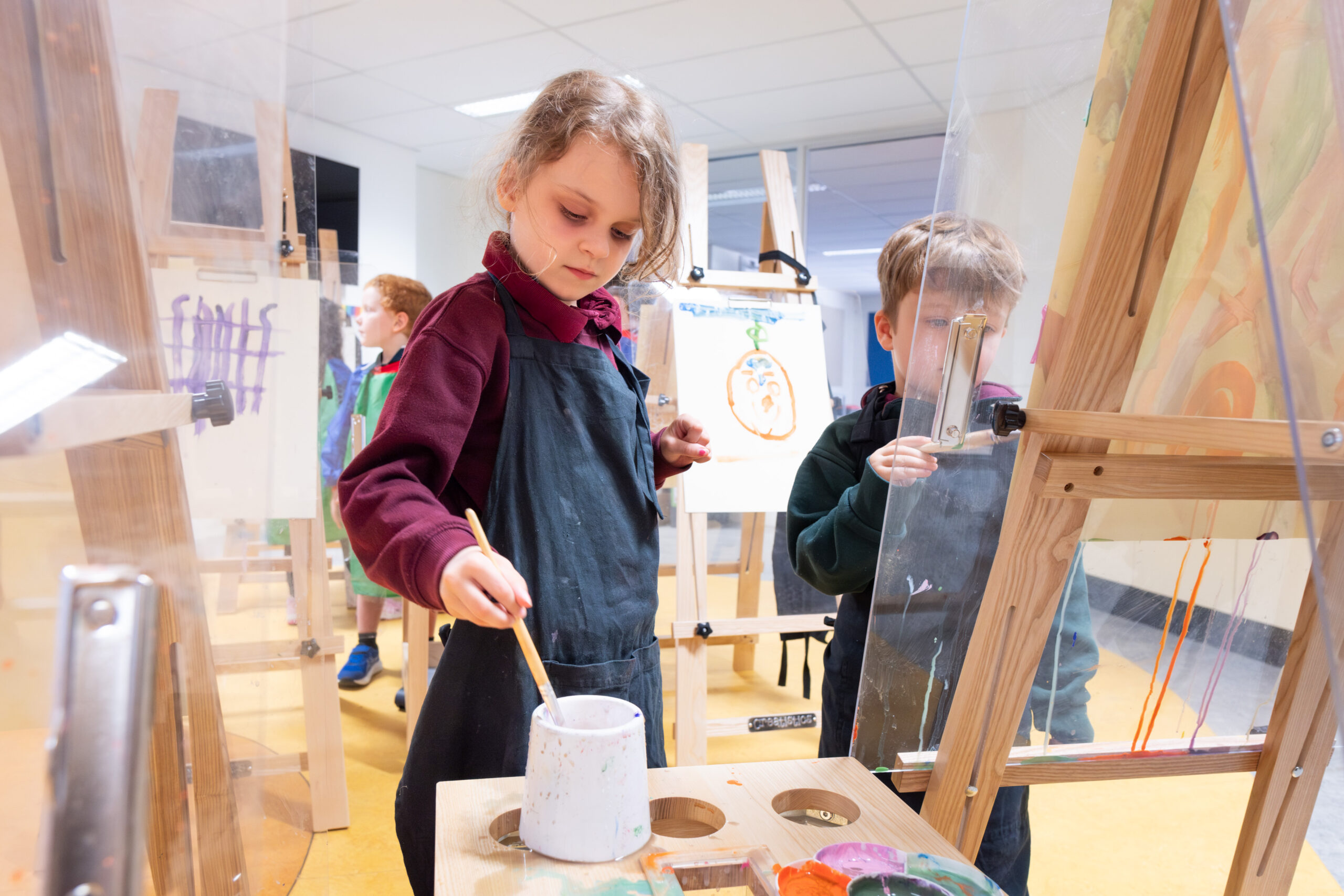
We nurture creativity through visual arts, music, dance, and drama, offered as specialist programs run by dedicated teachers. Our vibrant Arts curriculum encourages students to explore their imagination, develop new skills, and express themselves confidently in a supportive and inspiring environment.
Health and Physical Education:
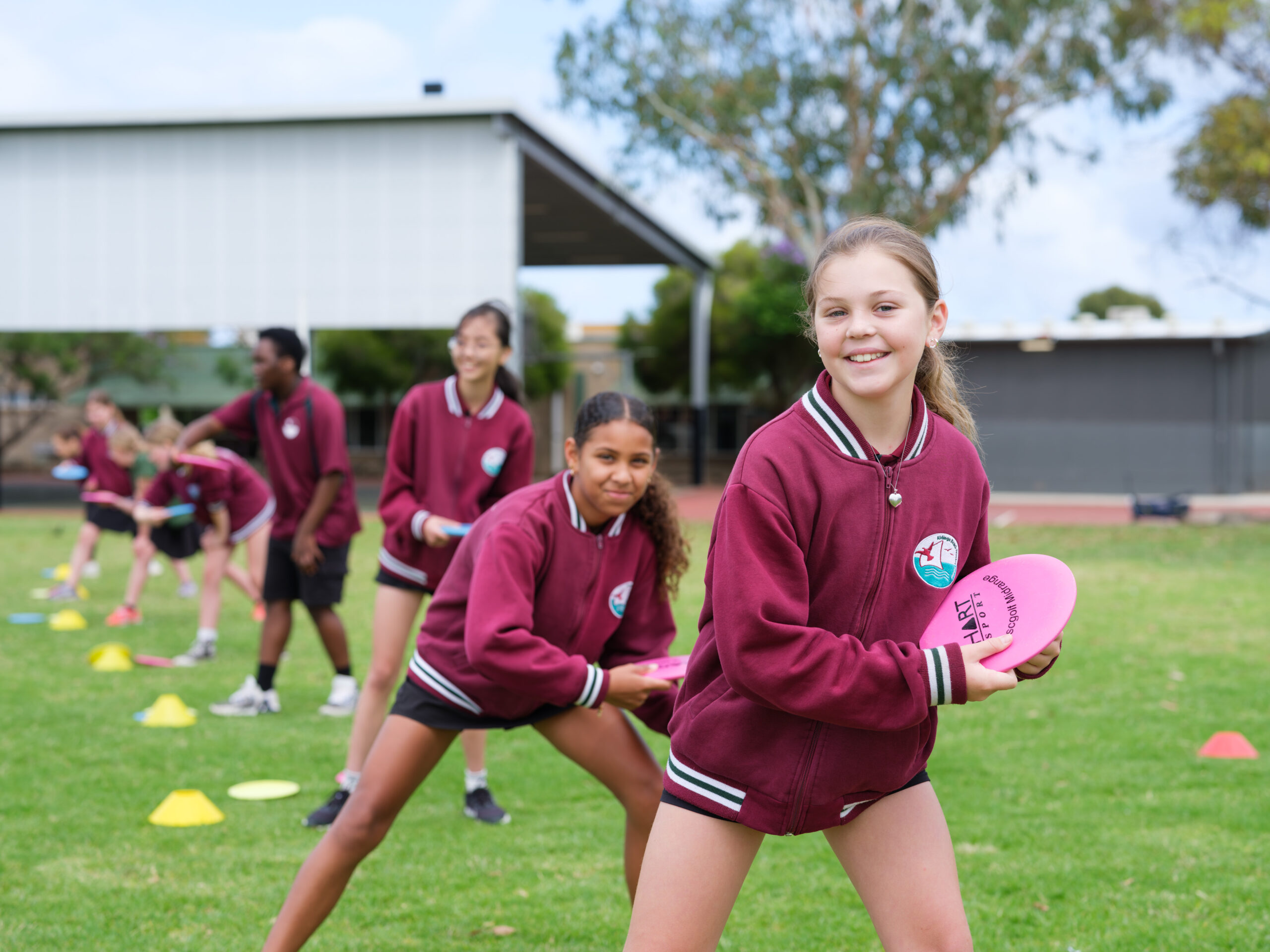
Our specialist Health and PE program, led by a specialist educator, promotes physical fitness, wellbeing, and healthy lifestyle choices. Through engaging activities and lessons, students develop the skills and knowledge to stay active, make positive health decisions, and build lifelong habits that support their overall wellness.
Auslan:
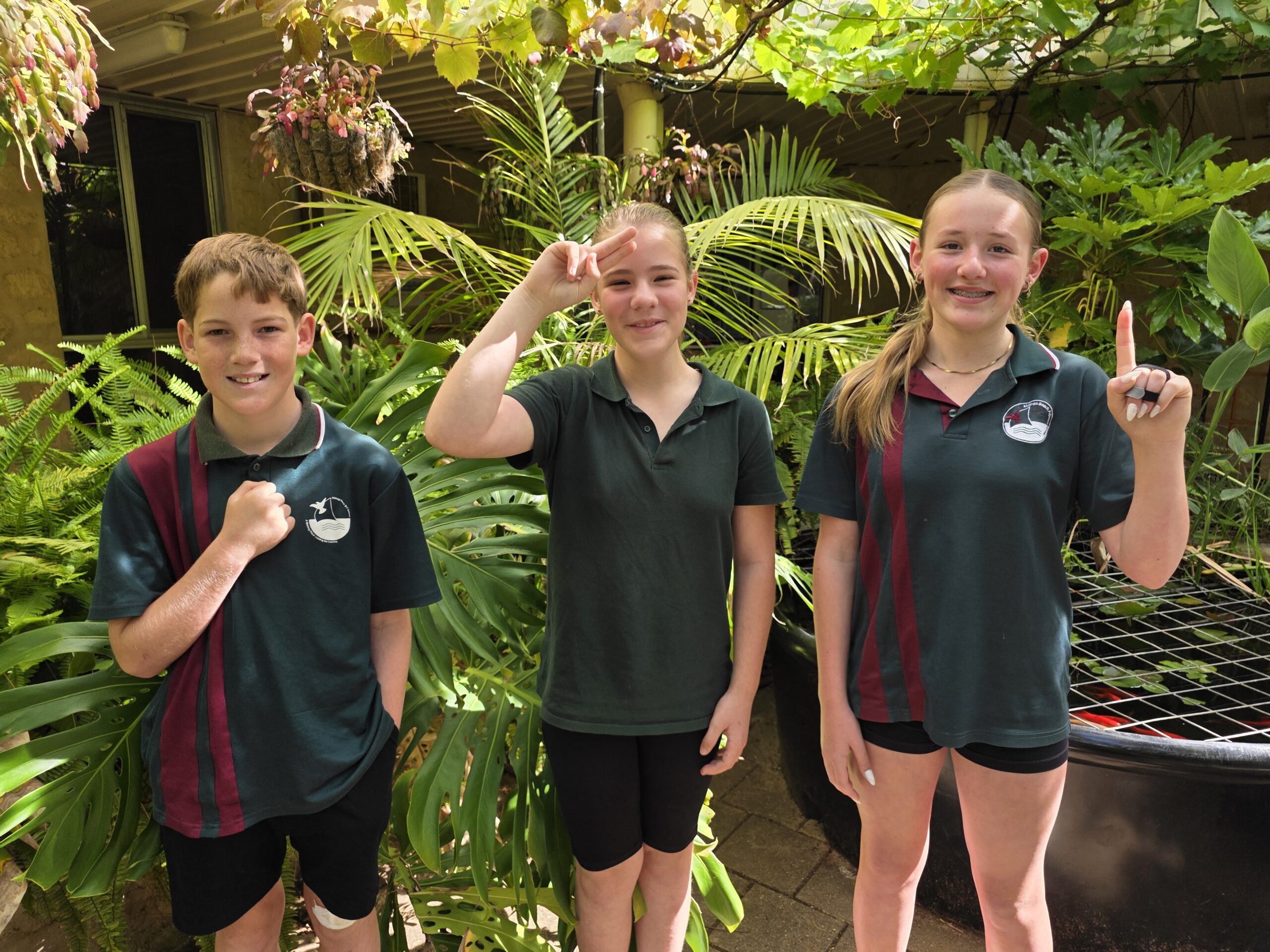
Auslan is a specialist subject where students not only learn Auslan signing but also explore its rich history and cultural significance. Through interactive lessons, children develop communication skills while gaining an appreciation for the Deaf community and its heritage. This unique learning experience fosters inclusivity, respect, and a deeper understanding of diverse ways people connect.